Installers
Fence Installers in Telford: Questions to Ask First
Choosing between quotes is easier when each installer is pricing the same job. Here is how a boundary job tends to run and what is worth putting to anyone you ask.
How a boundary job tends to run
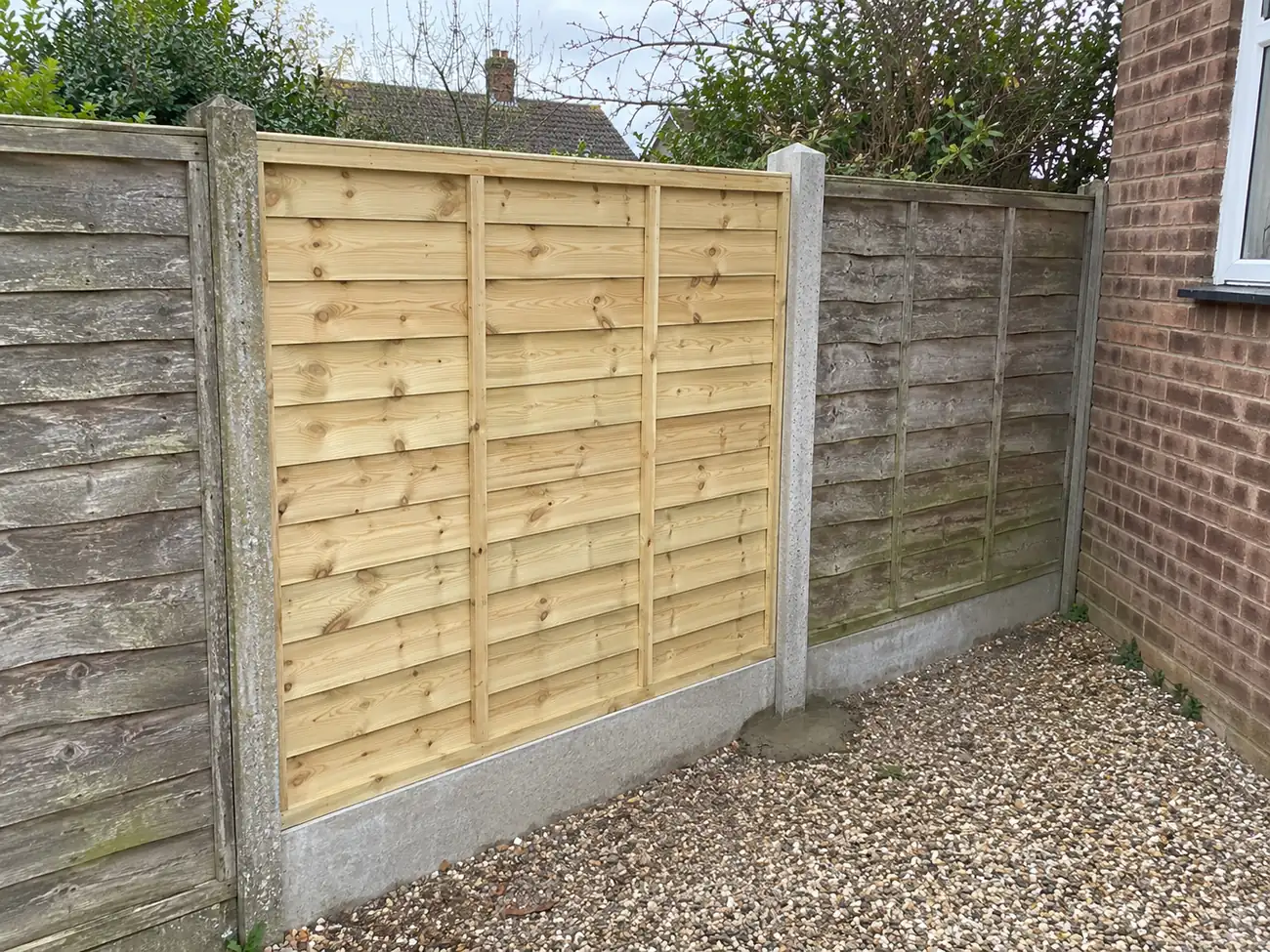
Most jobs follow the same order whatever the style. Someone looks at the line and agrees where it runs. The old fence comes out, if there is one. Posts go in, then rails or slotted panels, then boards or panels, and finally anything that finishes the bottom edge or the gate. Where a quote differs from another, it is usually in how carefully the early stages are described.
That is also why a photo and a rough length are so useful at the start. They show an installer the slope, the old fence and the way in before anyone visits.
Questions that sort one quote from another
- Which fence, exactly? Closeboard, hit-and-miss, panels or something else, and the height.
- What material are the posts, and how are they fixed in? Timber or concrete, and how each is set.
- What happens at the bottom edge? Gravel boards, or boards straight to the soil.
- How does it deal with a slope? Steps, a rake or a level run with a retaining edge.
- Does the old fence go? Check whether taking it away is priced in or added.
- Who checks the paperwork? Planning conditions, deeds and any conservation area.
- What if digging finds something? Old foundations, rubble or an unrecorded void are worth a line in the quote.
- Is there a gap for hedgehogs? It costs very little at the start and nothing to forget.
Four ways to run the job
| Option | Suits | Worth asking | Cost direction |
|---|---|---|---|
| Replace the whole boundary | A fence that has failed along most of its length | Whether the posts can be reused | Highest |
| Replace a few panels and posts | One or two clear failures with the rest sound | How the new timber will match the old | Lower |
| Add height or privacy | An overlooked patio or a low run | The height limit and any estate conditions | Varies |
| Change the style | A tired panel fence that could be closeboard or hit-and-miss | Whether posts and rails suit the new boards | Mid to high |
What to have ready before you ask
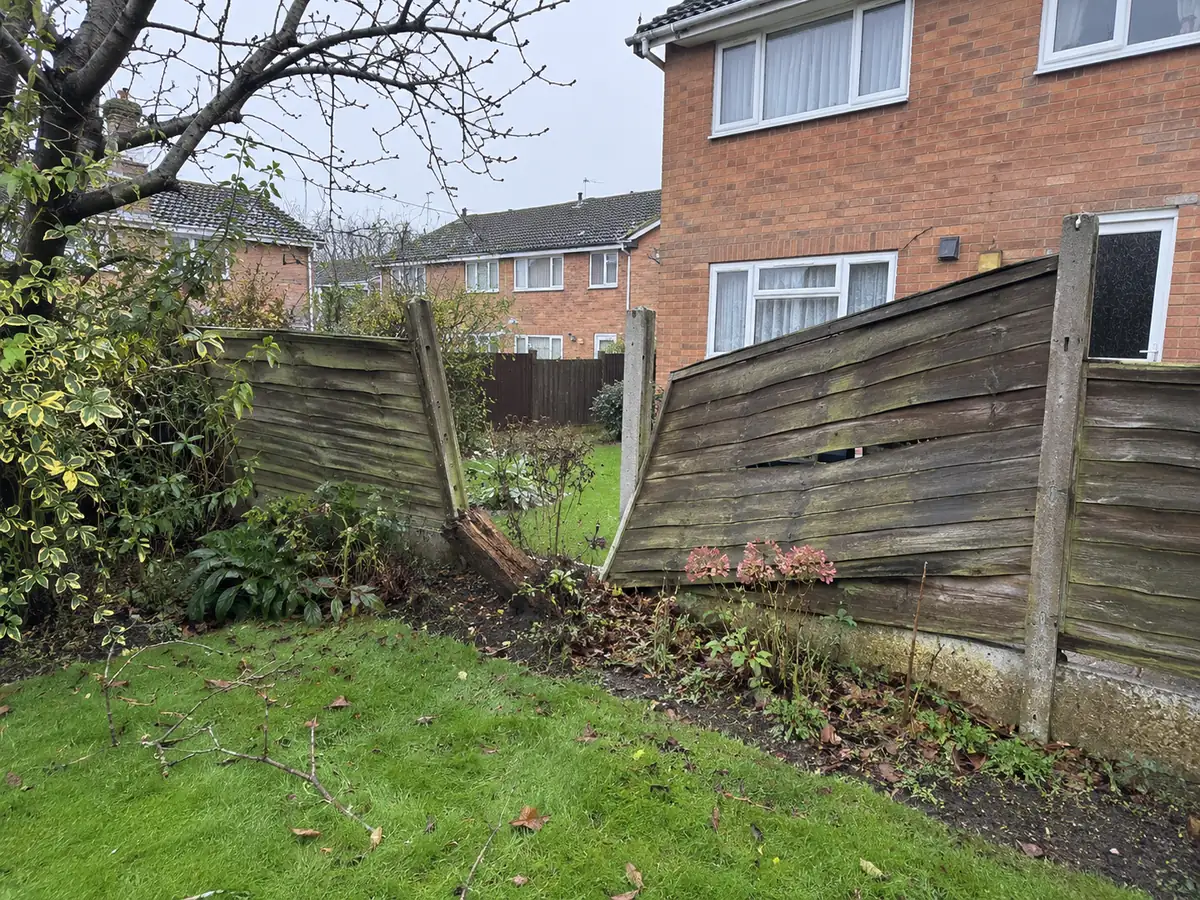
A rough length will do, even if you have paced it out. Note whether the ground beside the line is flat, easing downhill or properly steep, since that shapes the build. Say what stands there now, where gates sit and whether a neighbour shares the boundary. One photograph along the line, showing the old fence and the route in, is worth a page of description.
Mention anything you already know about the paperwork too: a condition on the house, a covenant in the deeds, an address inside the Ironbridge Gorge, or a note in a solicitor’s search about old workings. None of it rules a job out; it just helps to hear about it early.
Reading a quote when it arrives
Start by looking at what is actually named. A line reading “replace fence” and nothing else leaves every question above open. A fuller one gives the style and height, the post material and fixing, the bottom edge, any slope and the fate of the old fence. Put two quotes next to the list of questions and mark which lines each one lacks; missing lines often explain a price difference better than the totals.
Telford questions to add
A few topics come up here more than in most towns, and each has its own page. The ground can fall away behind a house, so sloping gardens need a plan for the steps. The borough has a long mining history, which is covered on the old mine ground page. Estates carry deeds and conditions, set out on the estates page, and the Gorge page covers the one part of the borough with extra fence rules.
The styles page compares fence types and mentions a hedgehog gap, while figures with dates sit on the prices page.
List in hand? Describe your fence and send it across.
Ask about your fence